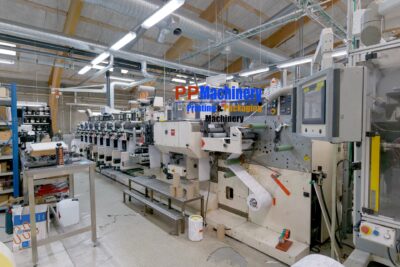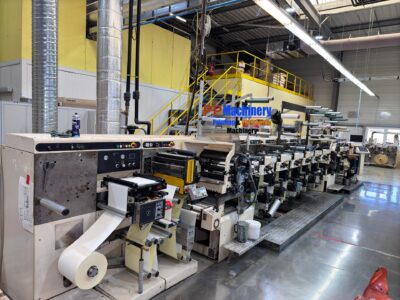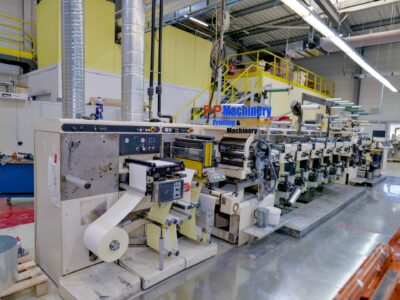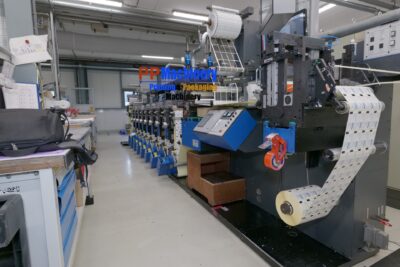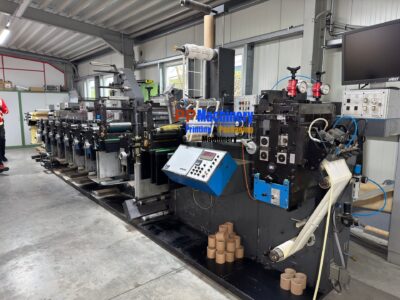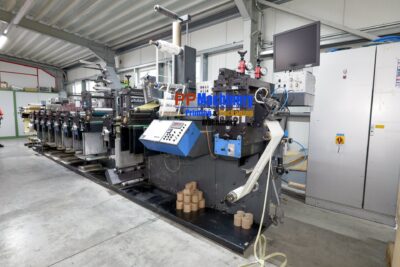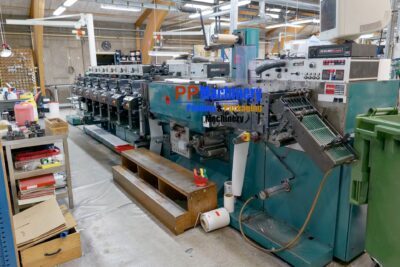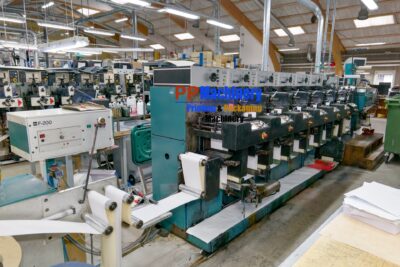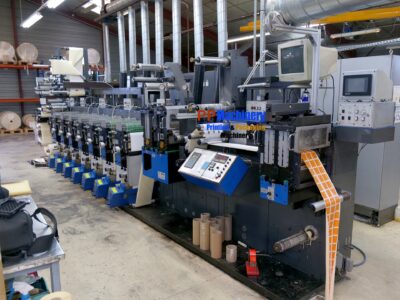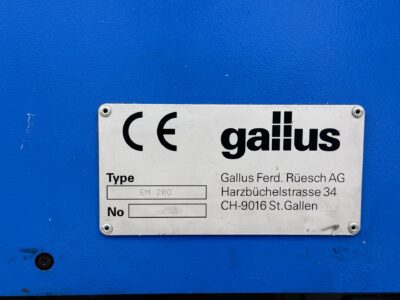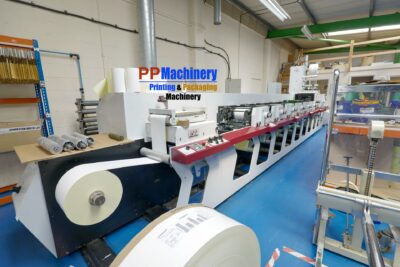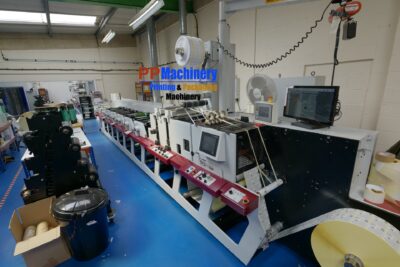


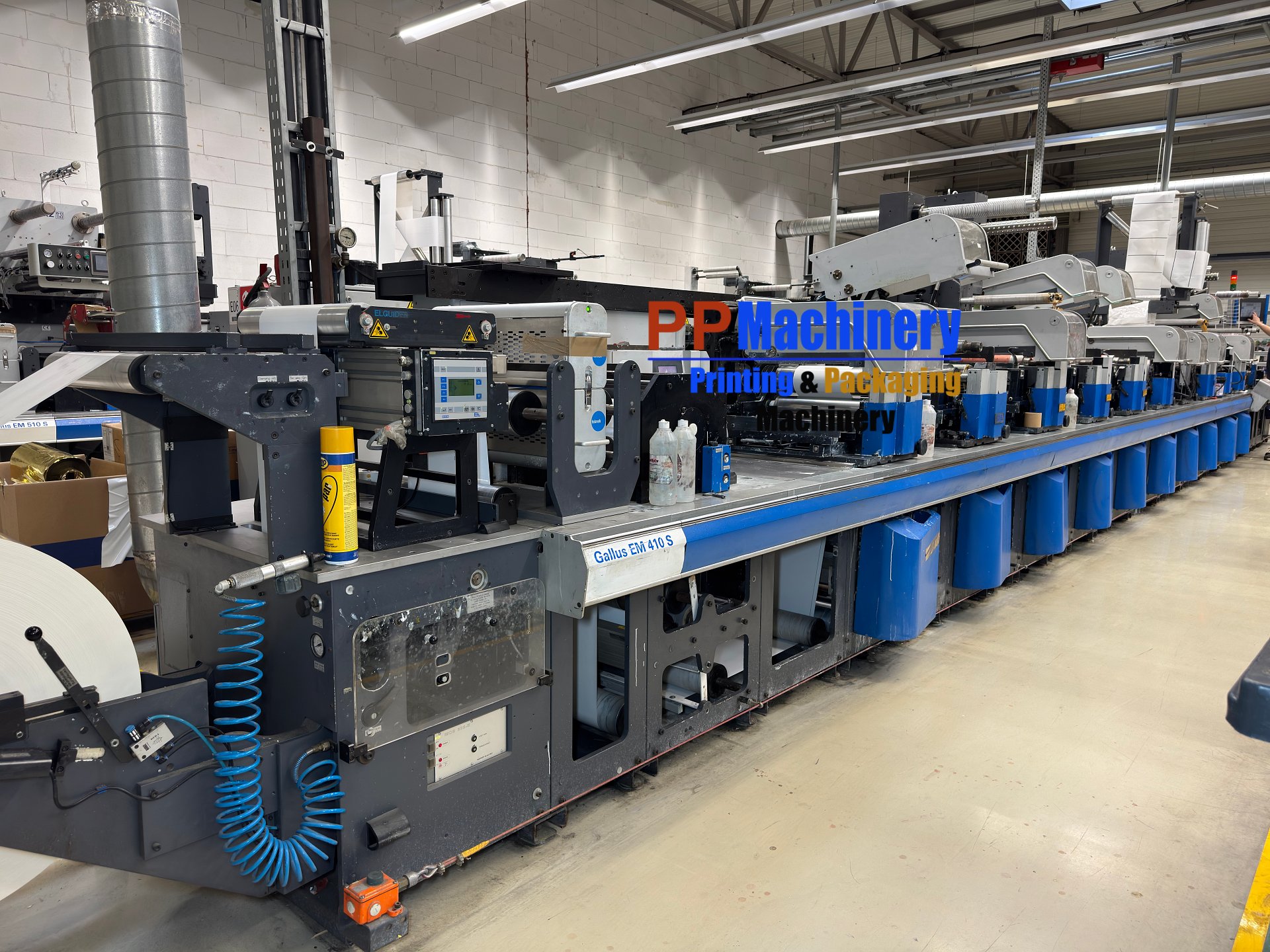
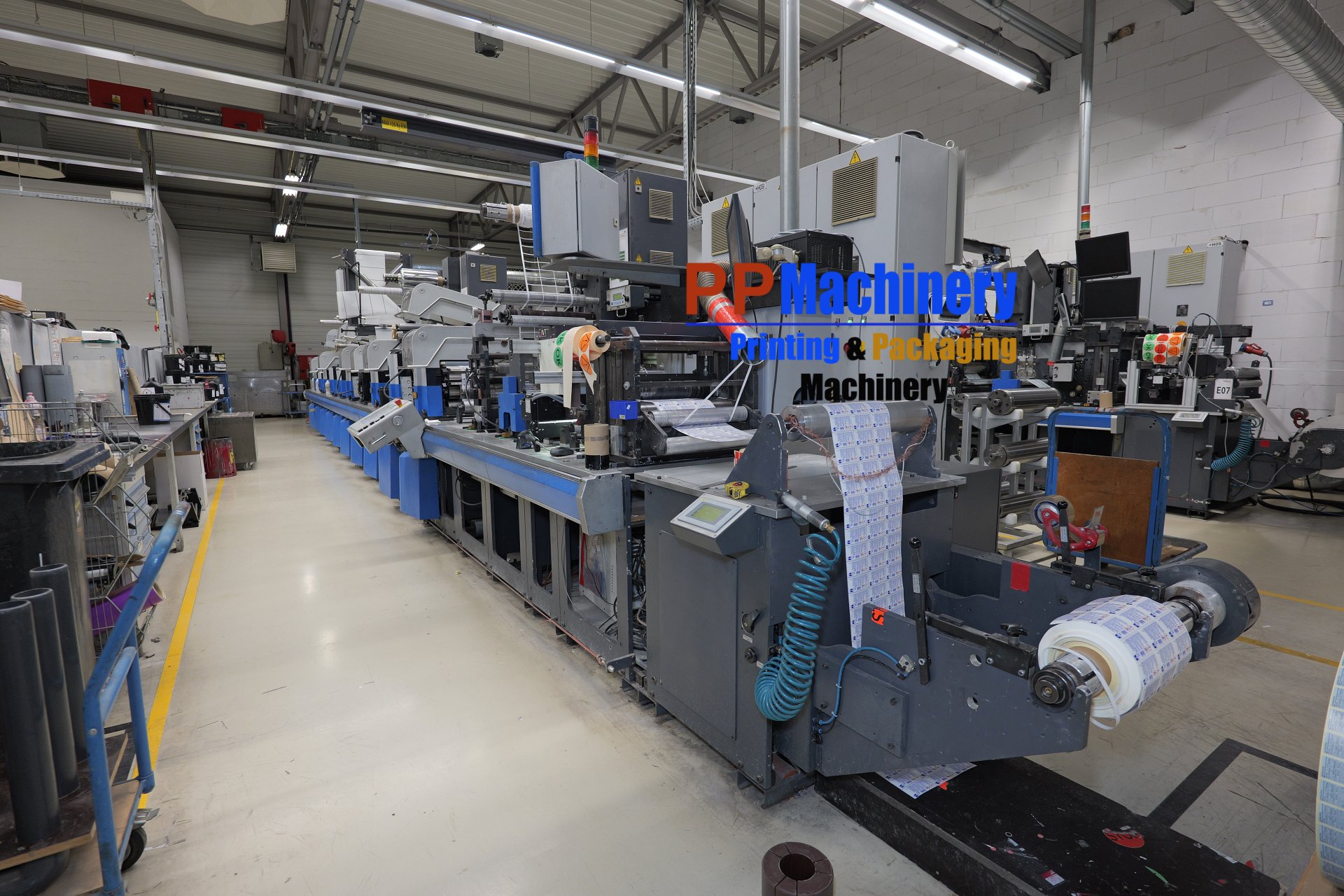
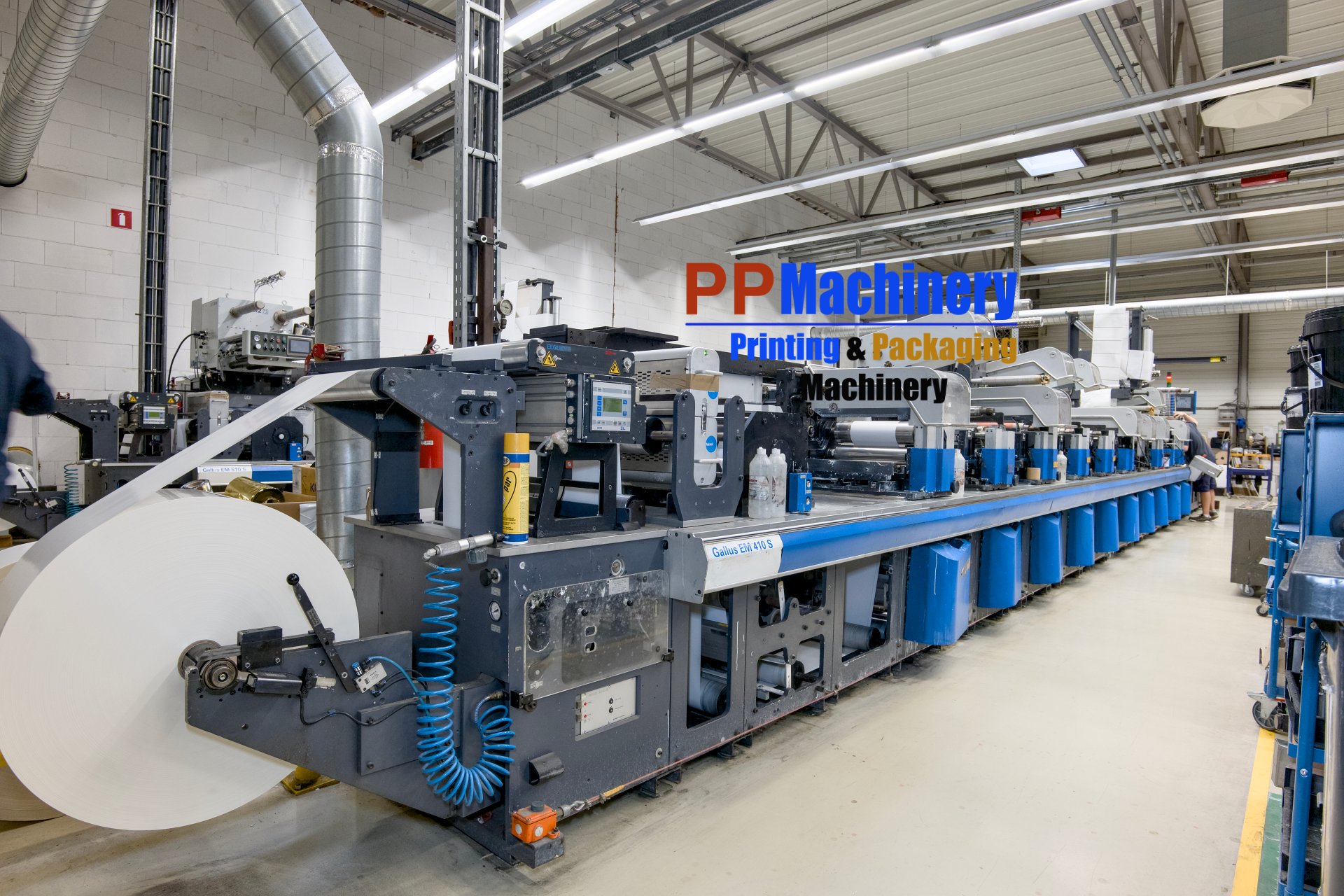
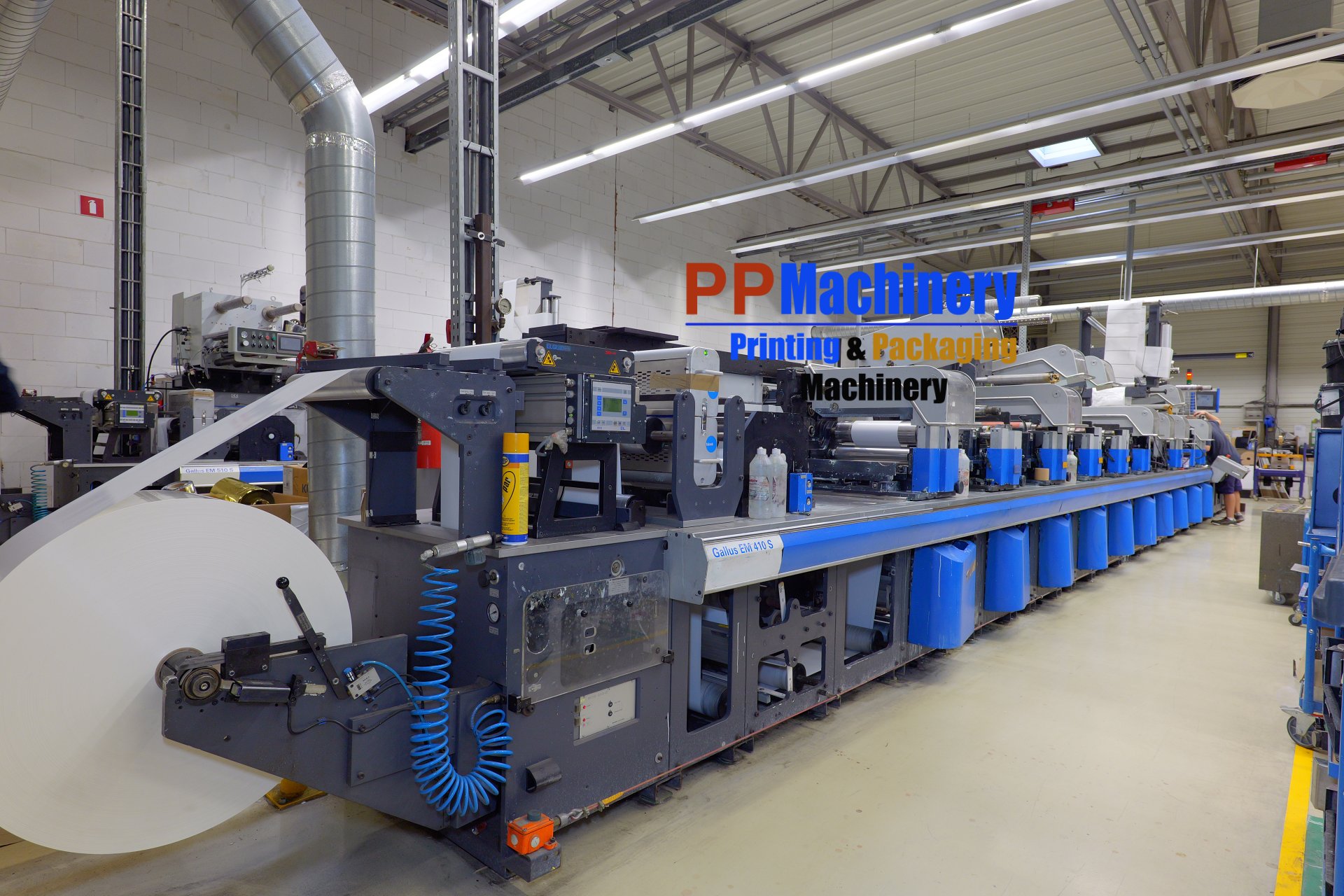
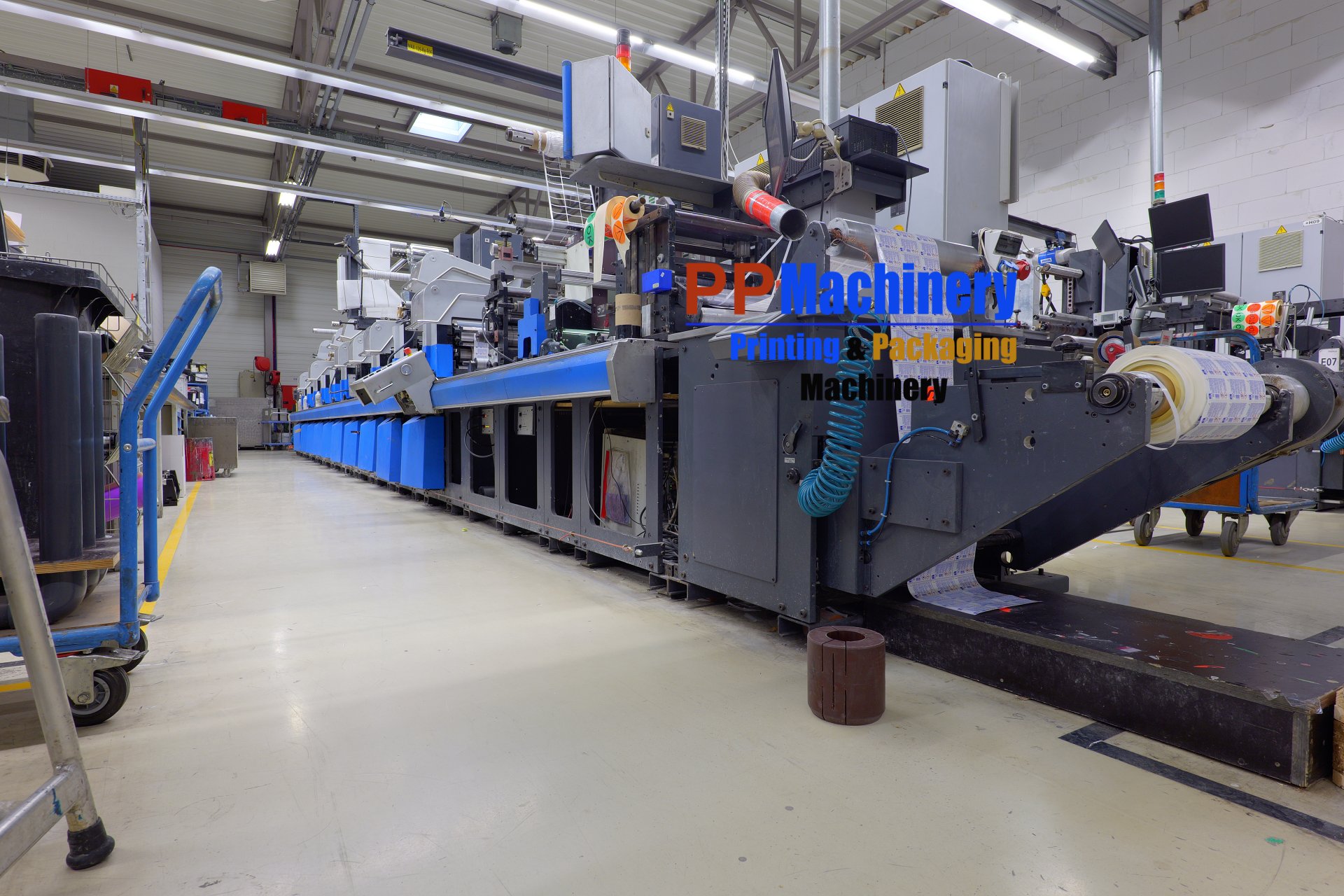
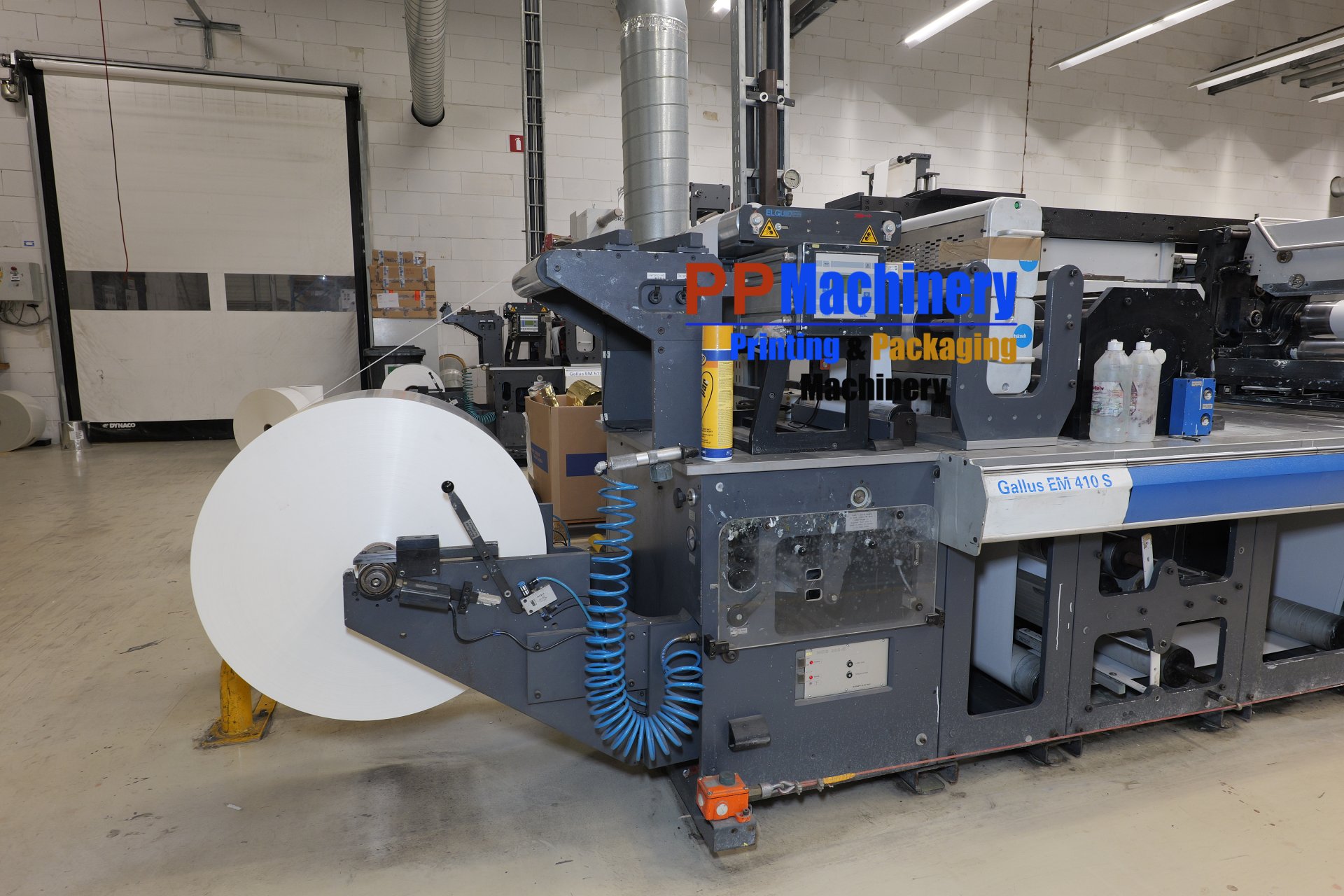
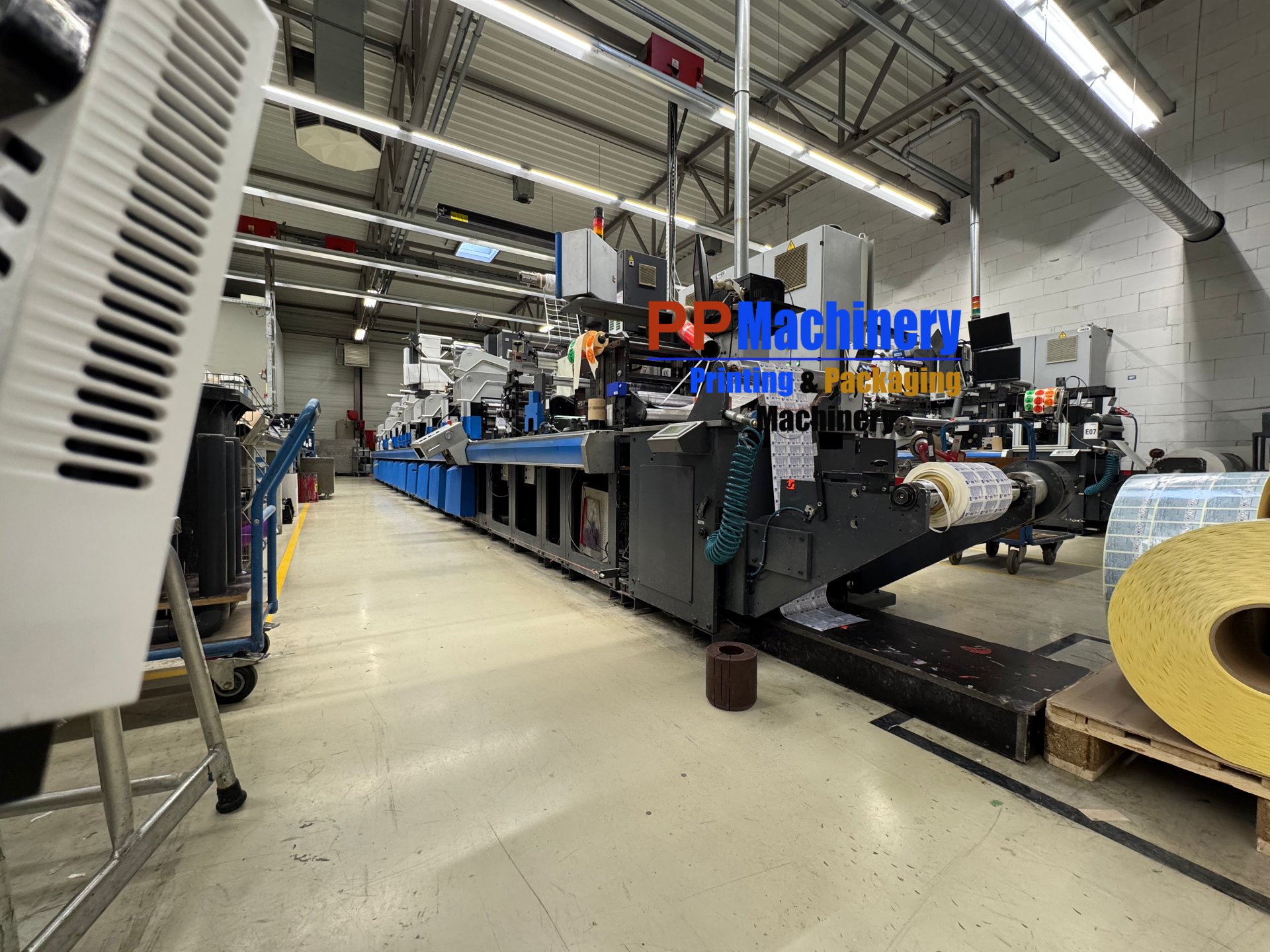
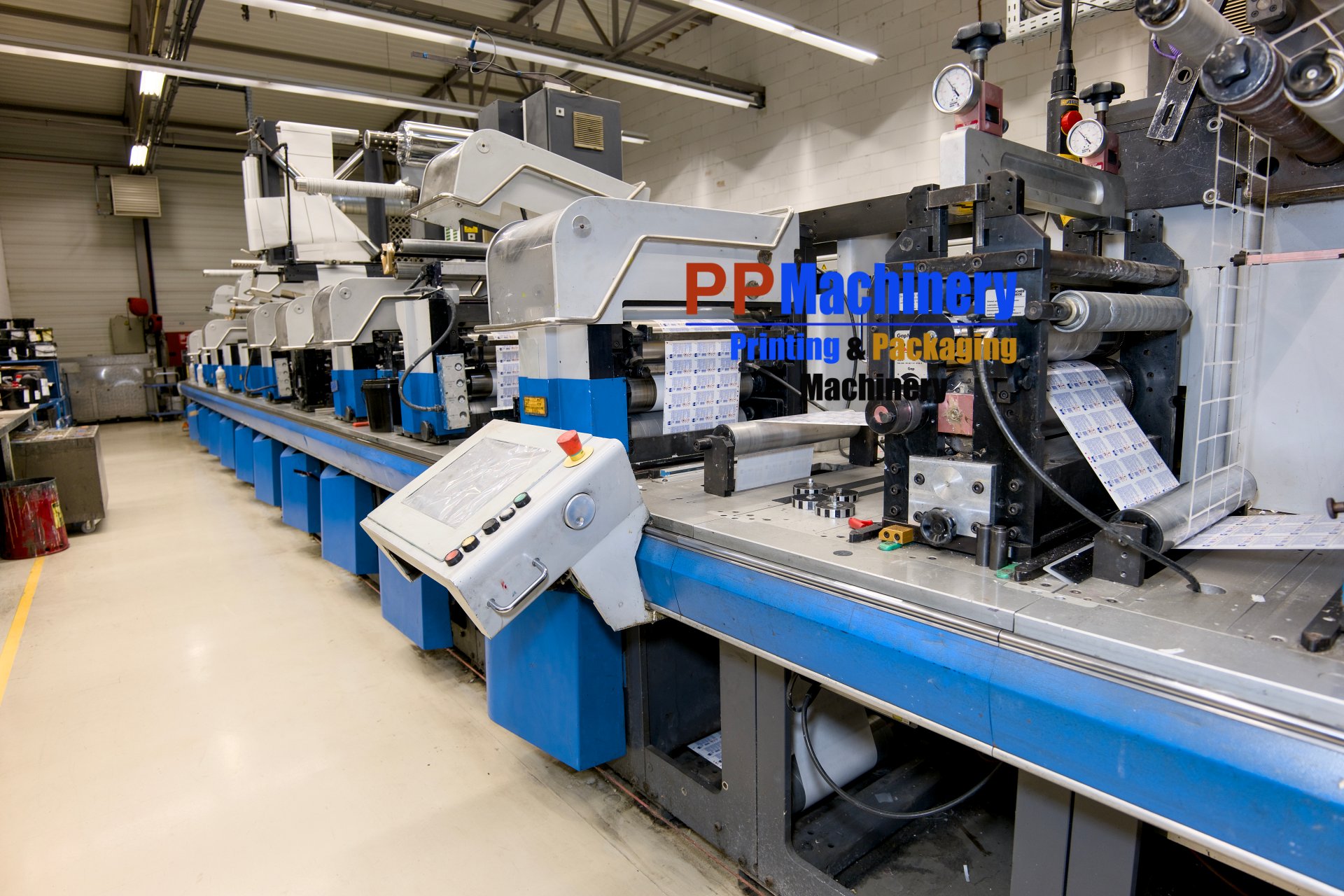
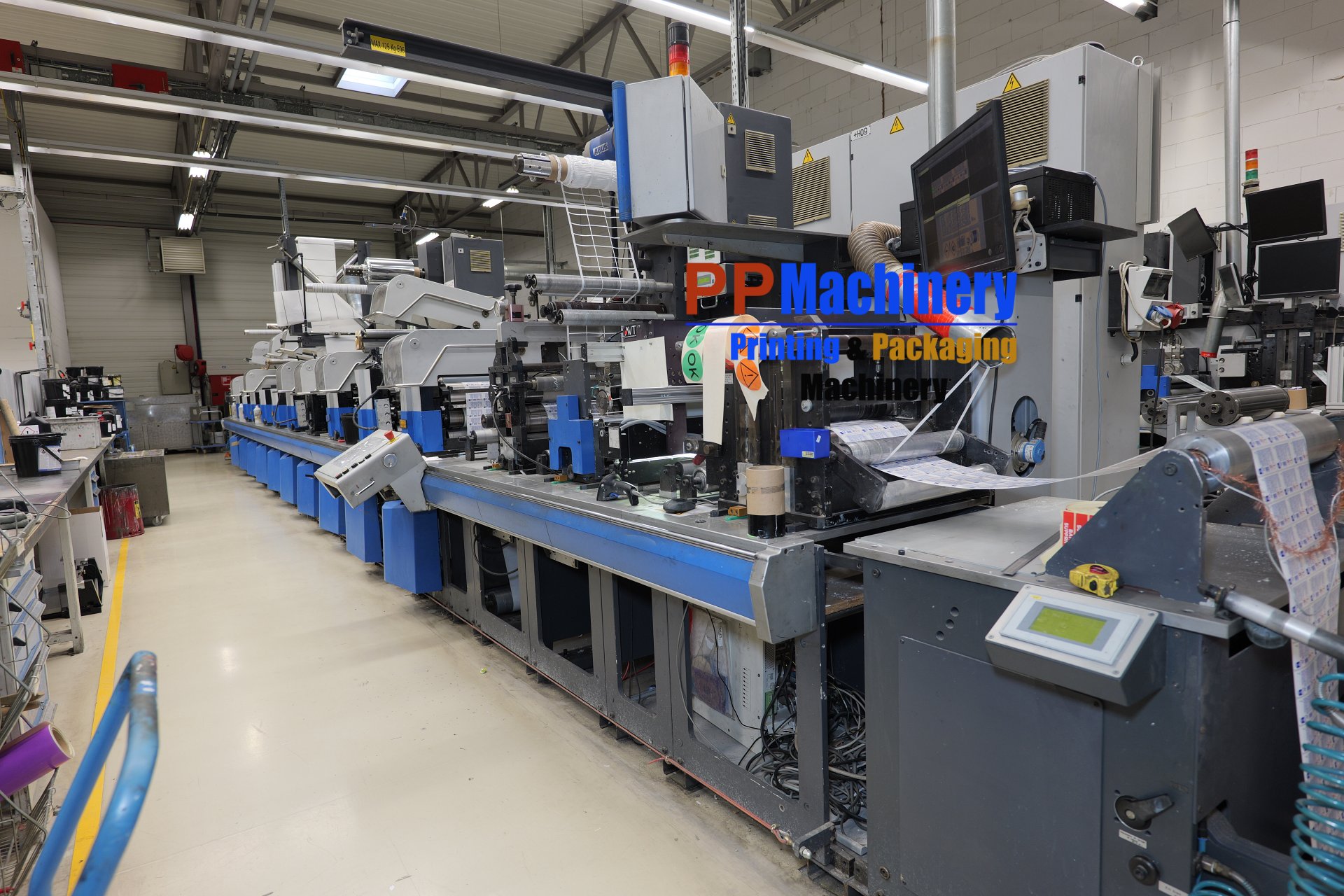
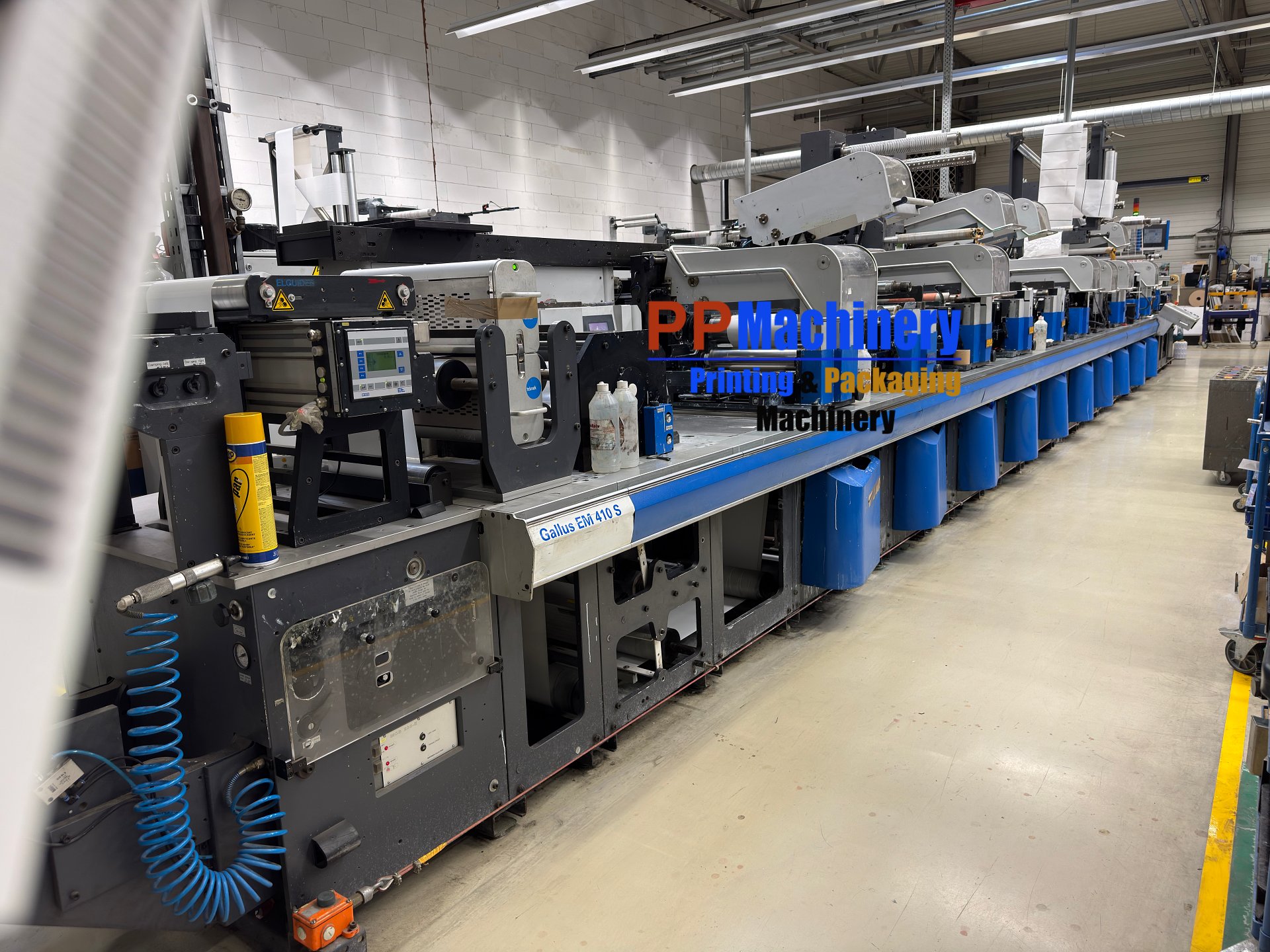
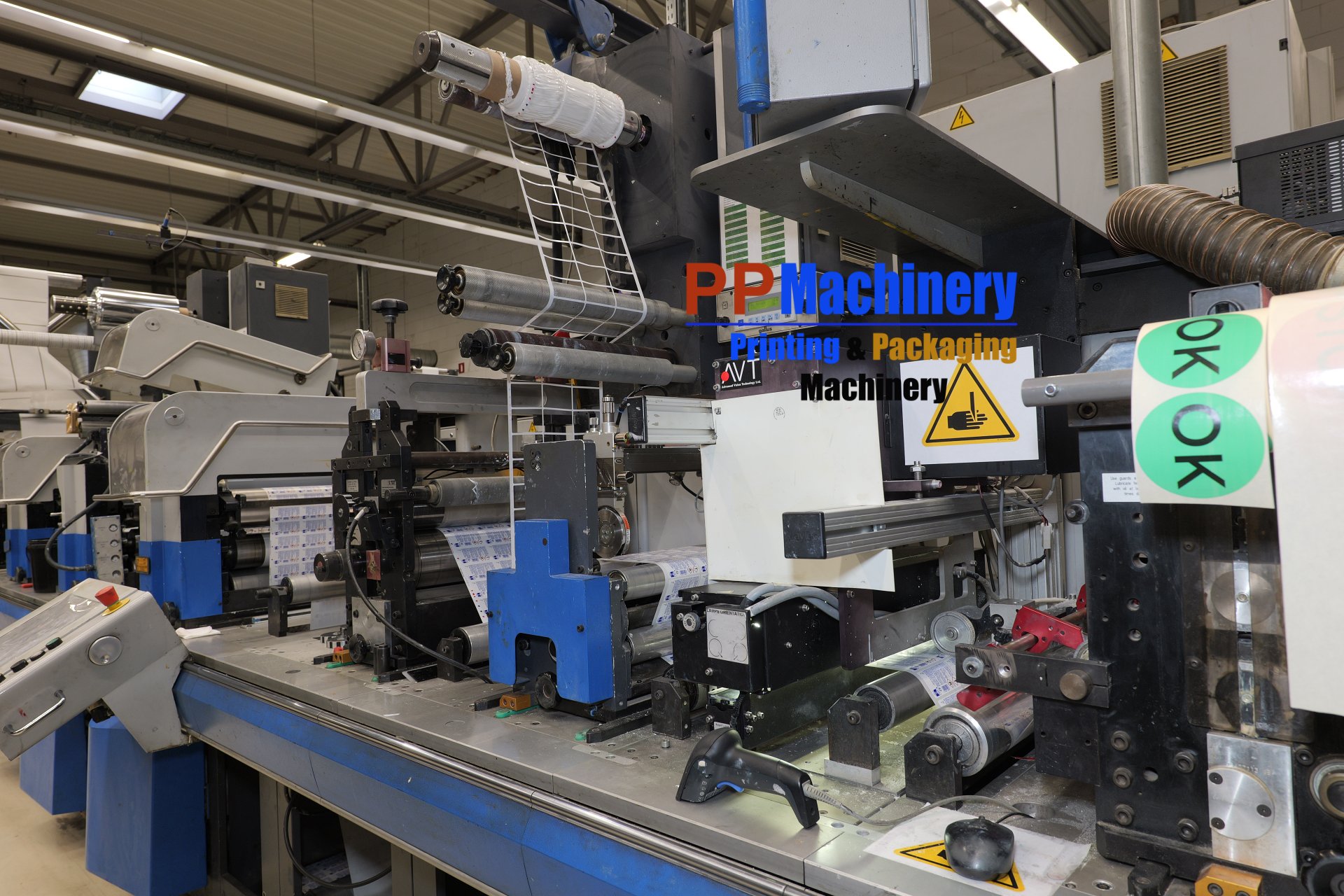
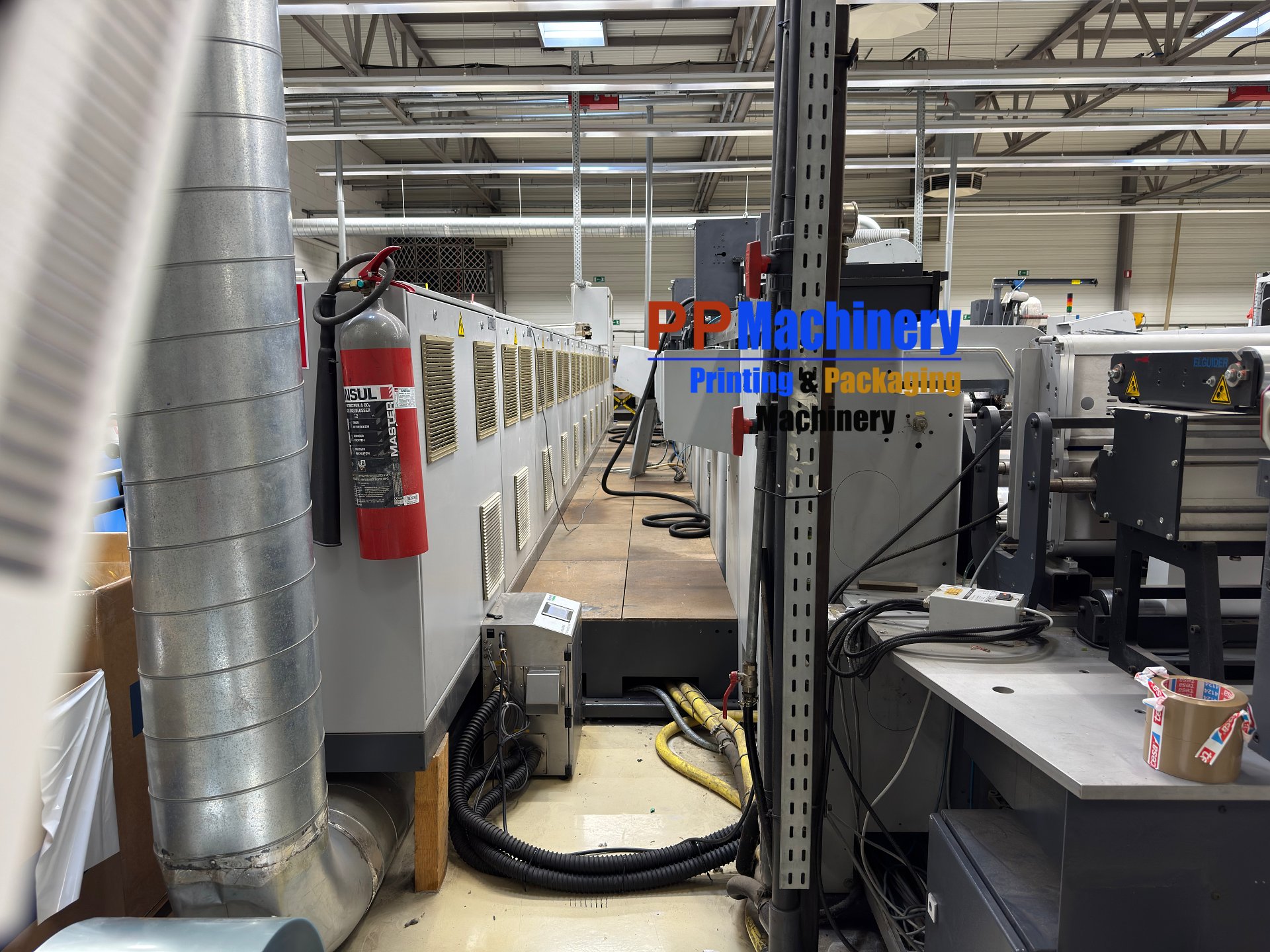
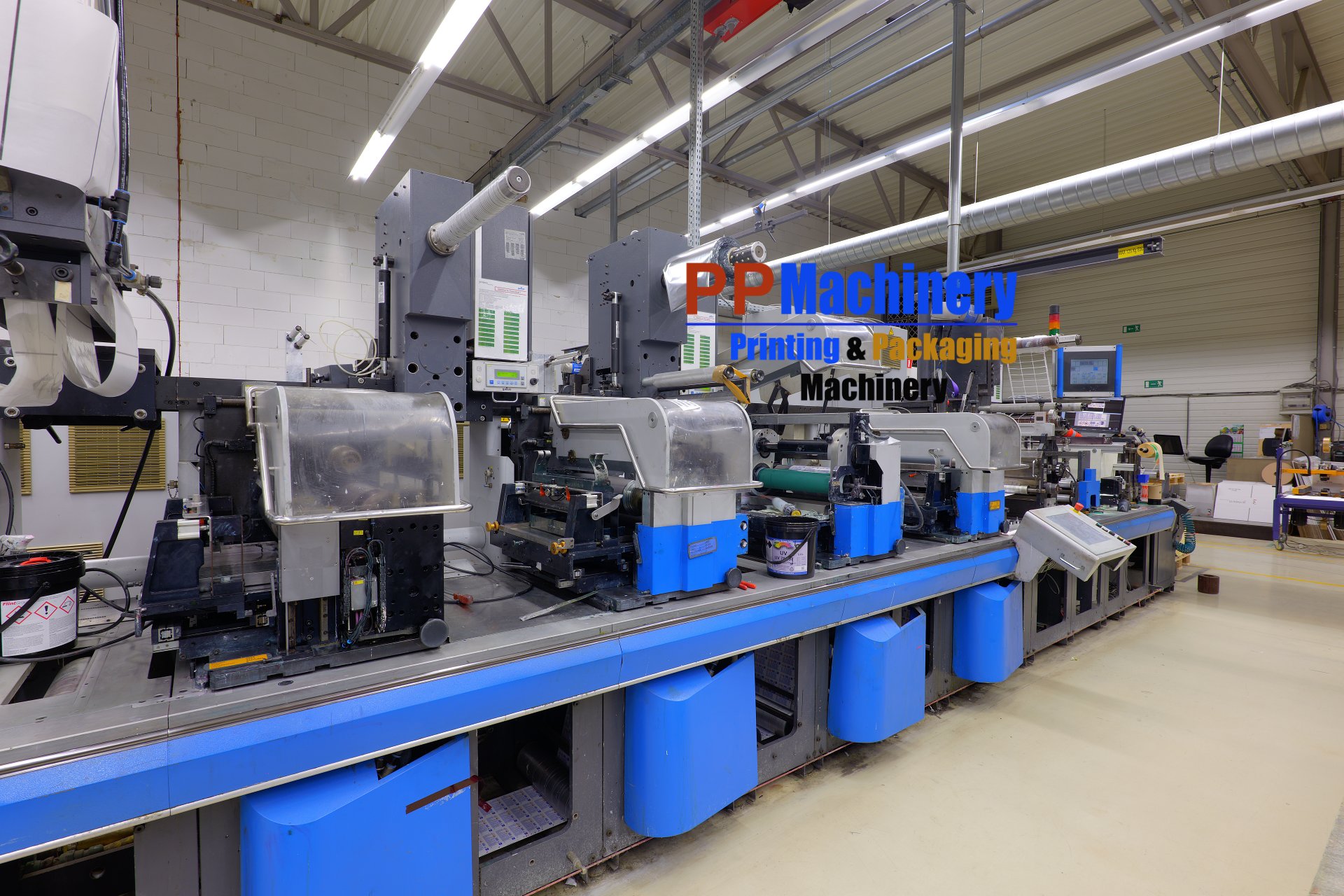
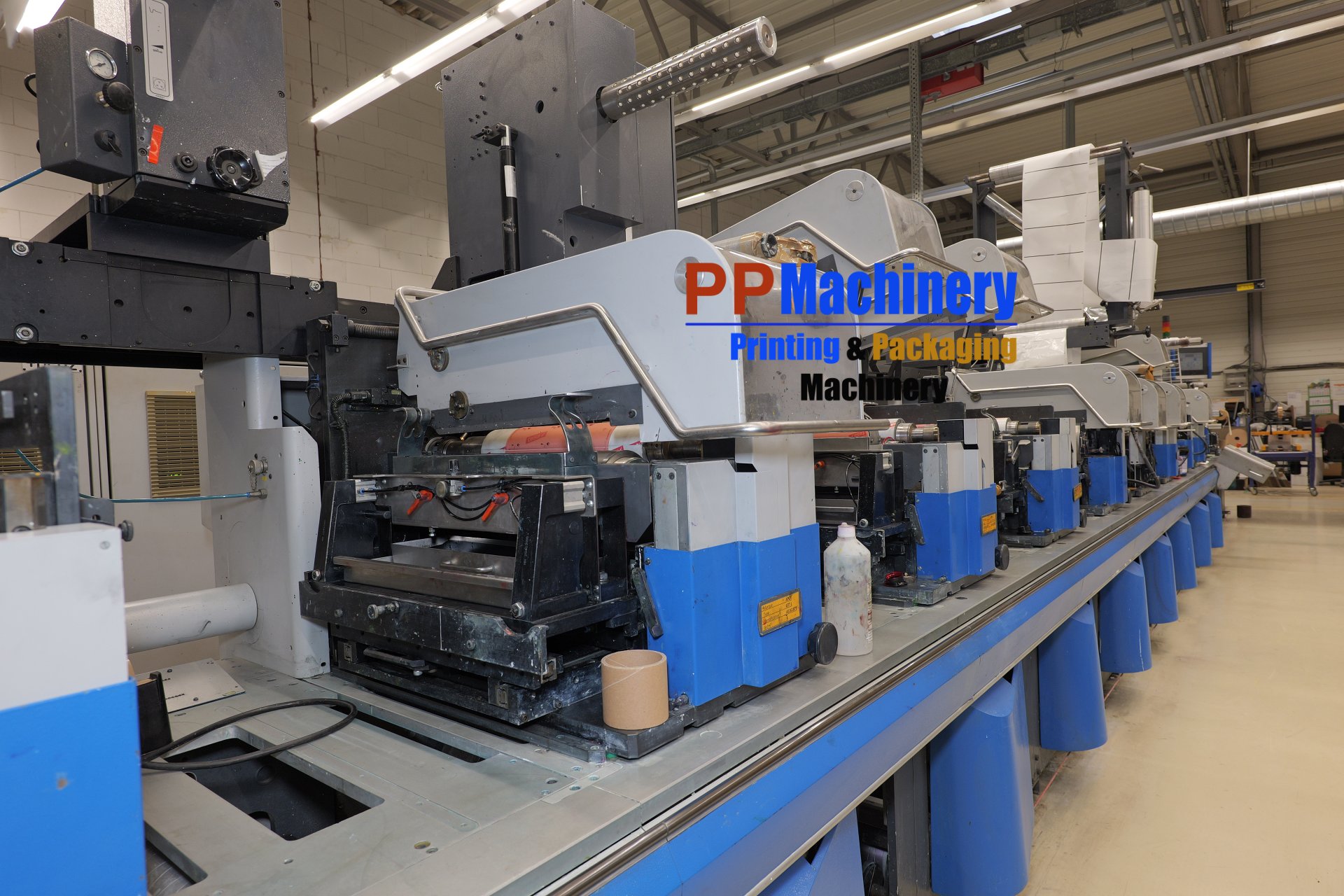
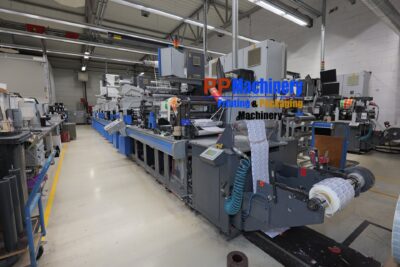
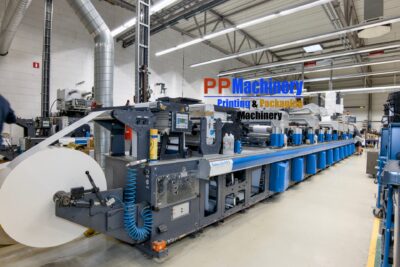
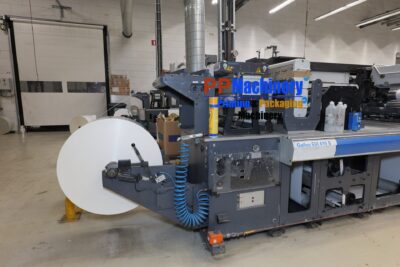
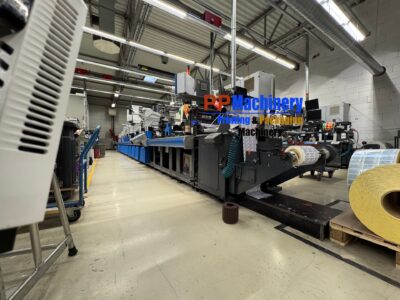
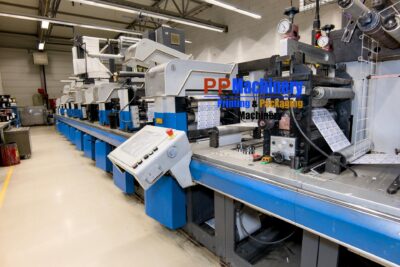
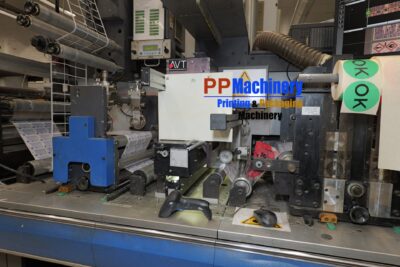
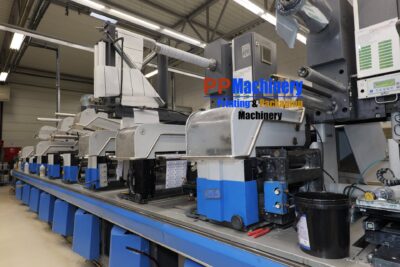
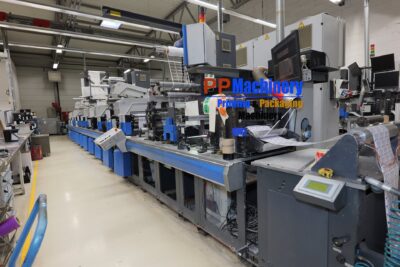
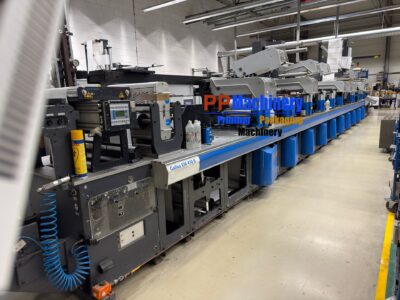
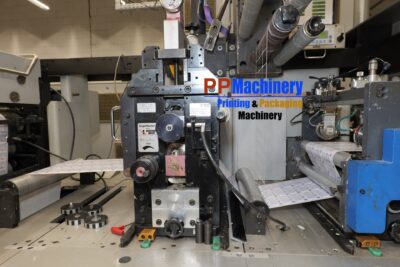
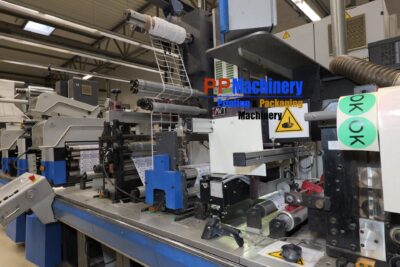
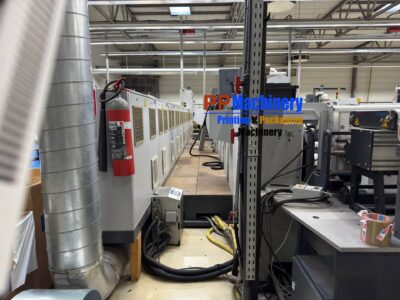
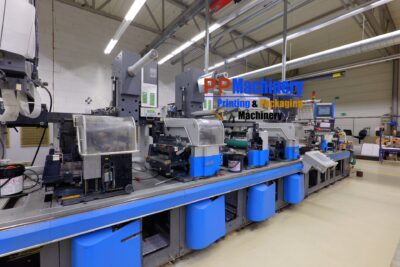
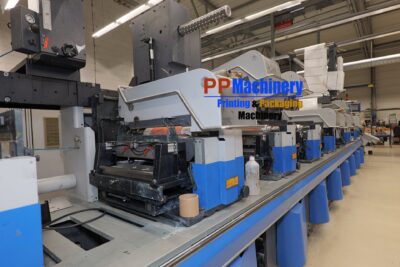
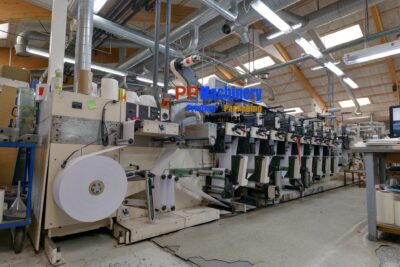
GALLUS EM 410 S 10 COLOURS FLEXO LABEL PRESS FROM 2007 #ppmachinery


The Gallus EM 410 S from 2007 is a high-performance, modular flexographic printing press.

Known for its “S” (Servo) drive technology, it was designed to bridge the gap between traditional label printing and flexible packaging production.

Here are the technical specifications and key features for this model:

  • Unwinder
  • Webguide
  • Corona treatment
  • Teknek Web Cleaning
  • Antistatic System
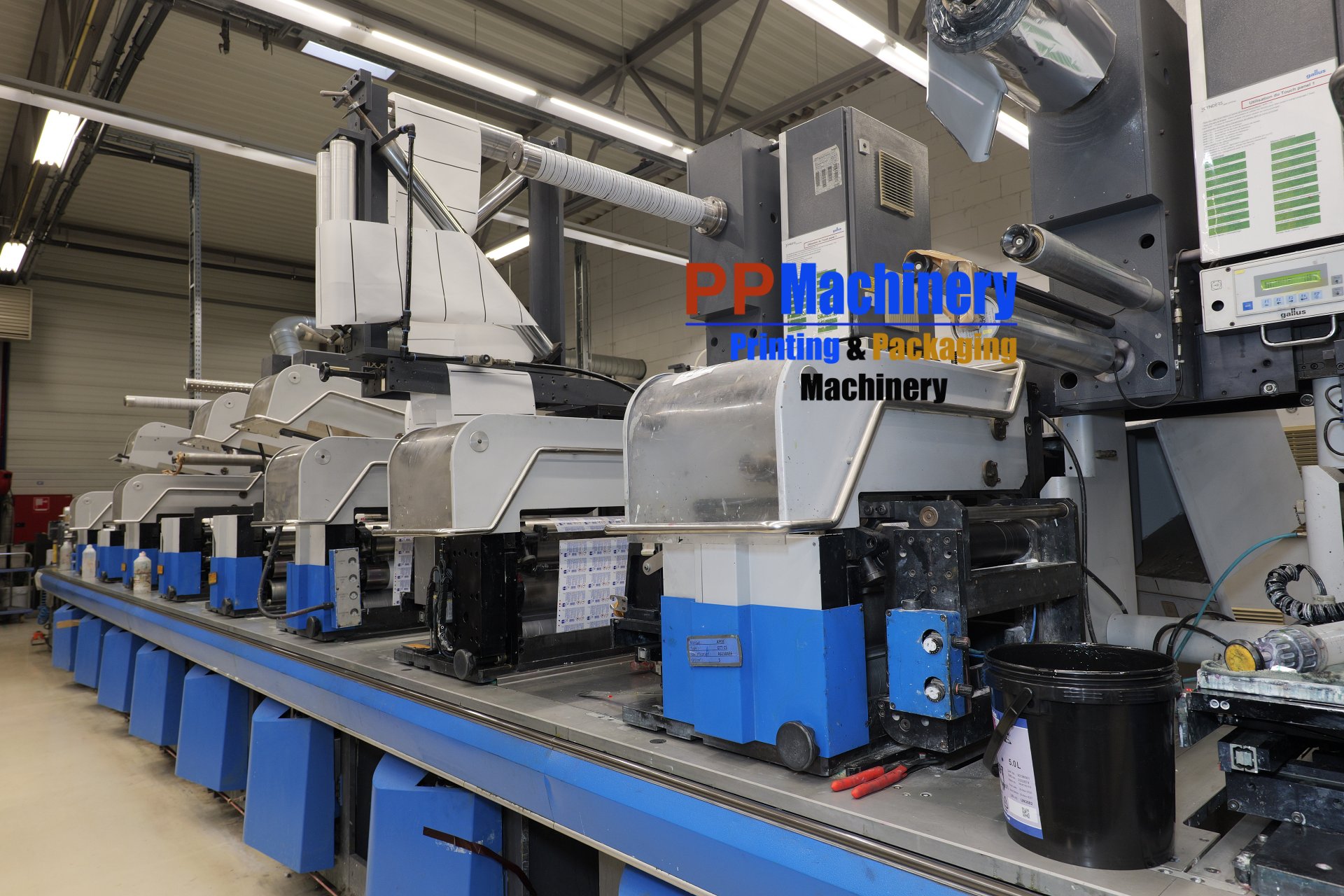
  • 10 printing stations Fully Servo driven
  • 10 Flexo printing units
  • Screen printing
  • Cold foil
  • Laminating
  • IST UV Curing System
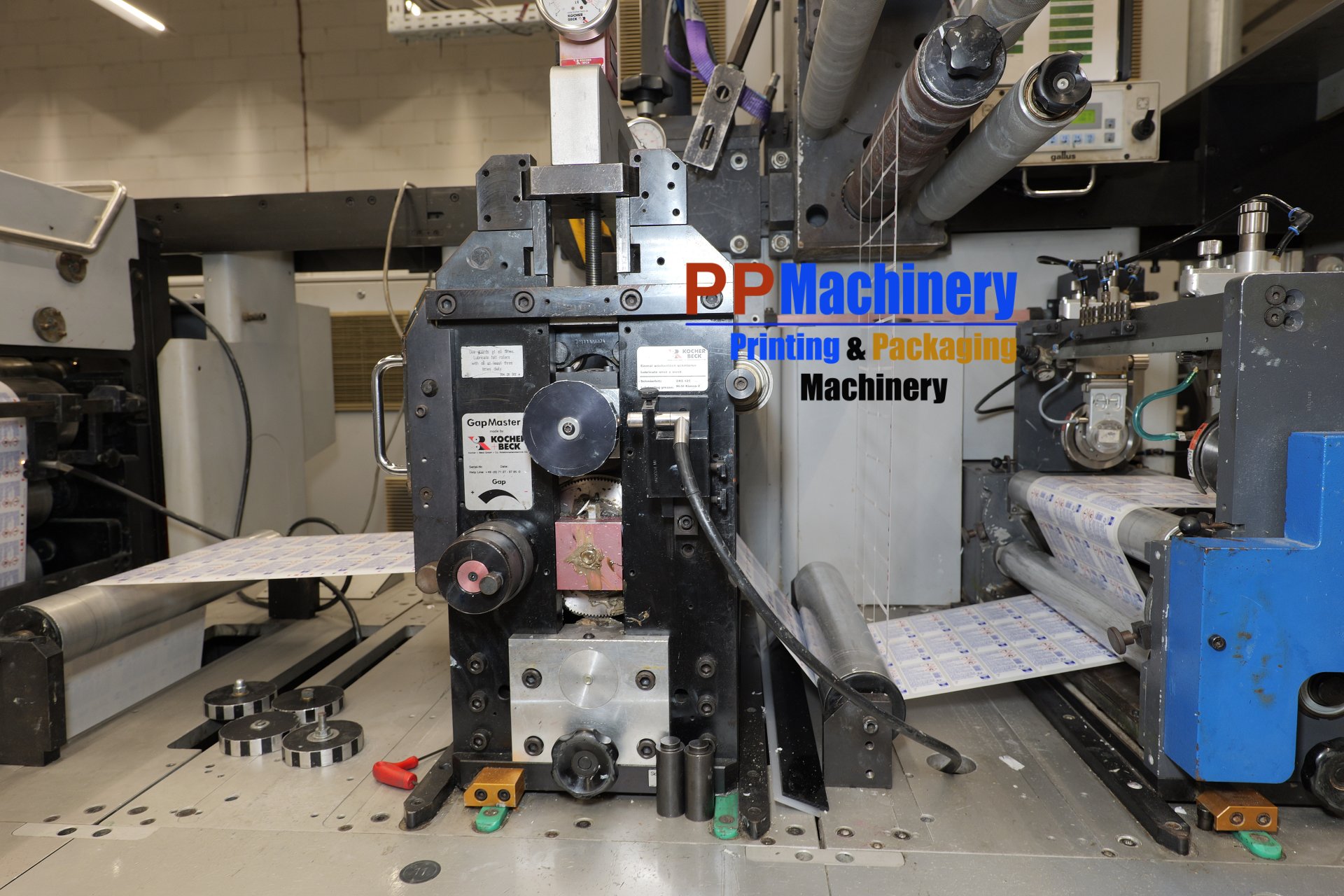
  • Rotary Die Cutting with GapMaster
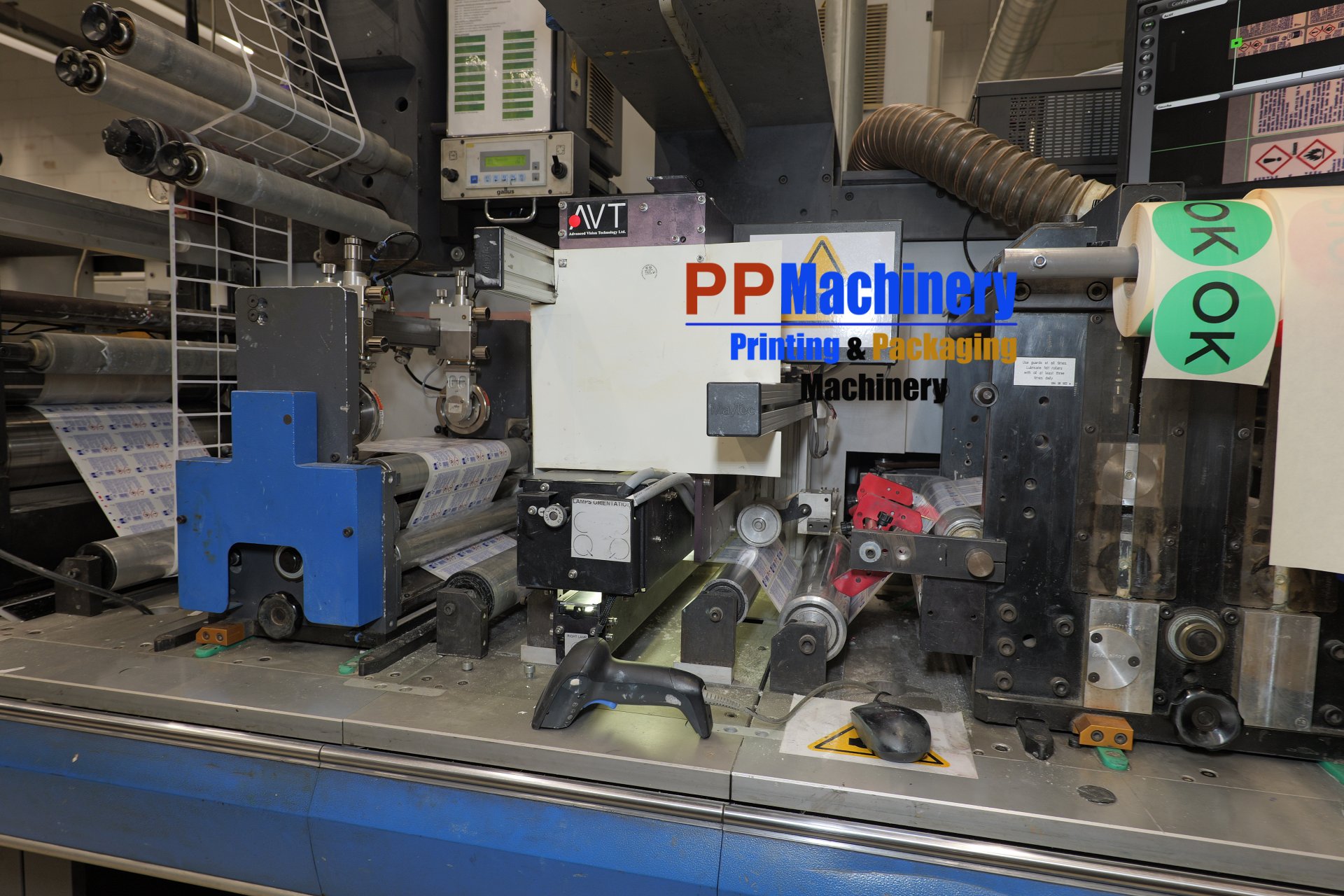
  • AVT Label Inspection
  • Slitting Unit
  • Rewinder

Technical Specifications (Standard 2007 Configuration)

Max. Web Width 410 mm (approx. 16.1″)
Max. Printing Width 410 mm
Printing Repeat Flexo: 285.75 mm – 647.7 mm (11.25″ – 25.5″)
Max. Mechanical Speed Up to 150 m/min (approx. 492 ft/min)
Drive System Full Servo-driven (independent motors for cylinders/rolls)
Substrate Range 36 µm (films) up to approx. 450 µm (lightweight board)
Drying Units UV Curing (Standard), Hot Air (Optional/Hybrid)


Key Features & Equipment

  • Modular Platform: The machine is built on a rail system. This allows finishing units—such as cold foil, rotary screen printing, or laminating units—to be repositioned easily across different print stations.
  • Servo Technology: The direct-drive servo motors ensure superior register accuracy and stable web tension, which is critical for printing on heat-sensitive or thin films.
  • Register Control: Usually equipped with an automatic register control system (often by Sensotec or BST), which minimizes waste during setup and job changes.
  • Die-Cutting Section: Typically features dual or triple rotary die-cutting stations. Many 2007 units include a Gap Master system for micro-adjustment of the cutting depth.
  • In-line Processing: Integrated web cleaners (e.g., Teknek) and Corona treaters are standard for ensuring high-quality ink adhesion on plastic substrates.

Performance Advantages

  1. Fast Changeovers: The “Plug-and-Print” logic allows for quick swaps of anilox rollers and plate cylinders, making it profitable even for medium-sized job runs.
  2. Versatility: It handles everything from standard self-adhesive labels to shrink sleeves, wrap-around labels, and tube laminates.
  3. Durability: The EM series is highly regarded for its robust mechanical construction. While 2007-era electronics may require occasional updates, the frame and mechanics are built for decades of operation.
Product Enquiry

Description

The Gallus EM 410 S from 2007 is a high-performance, modular flexographic printing press.
Known for its “S” (Servo) drive technology, it was designed to bridge the gap between traditional label printing and flexible packaging production.

Here are the technical specifications and key features for this model:

  • Unwinder
  • Webguide
  • Corona treatment
  • Teknek Web Cleaning
  • Antistatic System
  • 10 printing stations Fully Servo driven
  • 10 Flexo printing units
  • Screen printing
  • Cold foil
  • Laminating
  • IST UV Curing System
  • Rotary Die Cutting with GapMaster
  • AVT Label Inspection
  • Slitting Unit
  • Rewinder

Technical Specifications (Standard 2007 Configuration)

Max. Web Width 410 mm (approx. 16.1″)
Max. Printing Width 410 mm
Printing Repeat Flexo: 285.75 mm – 647.7 mm (11.25″ – 25.5″)
Max. Mechanical Speed Up to 150 m/min (approx. 492 ft/min)
Drive System Full Servo-driven (independent motors for cylinders/rolls)
Substrate Range 36 µm (films) up to approx. 450 µm (lightweight board)
Drying Units UV Curing (Standard), Hot Air (Optional/Hybrid)


Key Features & Equipment

  • Modular Platform: The machine is built on a rail system. This allows finishing units—such as cold foil, rotary screen printing, or laminating units—to be repositioned easily across different print stations.
  • Servo Technology: The direct-drive servo motors ensure superior register accuracy and stable web tension, which is critical for printing on heat-sensitive or thin films.
  • Register Control: Usually equipped with an automatic register control system (often by Sensotec or BST), which minimizes waste during setup and job changes.
  • Die-Cutting Section: Typically features dual or triple rotary die-cutting stations. Many 2007 units include a Gap Master system for micro-adjustment of the cutting depth.
  • In-line Processing: Integrated web cleaners (e.g., Teknek) and Corona treaters are standard for ensuring high-quality ink adhesion on plastic substrates.

Performance Advantages

  1. Fast Changeovers: The “Plug-and-Print” logic allows for quick swaps of anilox rollers and plate cylinders, making it profitable even for medium-sized job runs.
  2. Versatility: It handles everything from standard self-adhesive labels to shrink sleeves, wrap-around labels, and tube laminates.
  3. Durability: The EM series is highly regarded for its robust mechanical construction. While 2007-era electronics may require occasional updates, the frame and mechanics are built for decades of operation.